

Your identity isn’t just a name and a Social Security number; it’s the cornerstone of your financial life. When someone steals or misuses your personal information, it can cause major damage. But the good news is: you can take practical steps to protect yourself, stay alert for warning signs, and act quickly if something goes wrong.
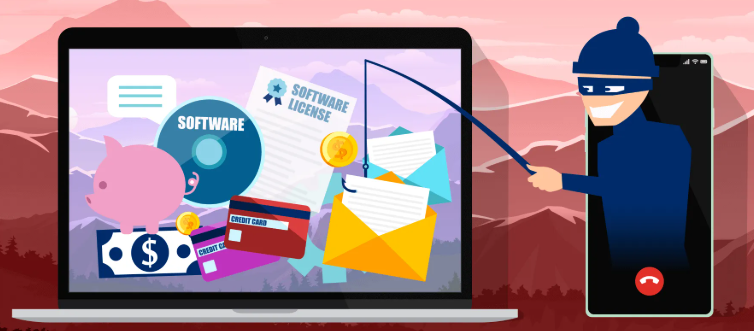
Identity theft happens when someone uses your personal information, such as your name, Social Security number, credit card number, or bank account, to commit fraud. This could mean opening new accounts in your name, making unauthorized purchases, or taking loans you didn’t authorize.
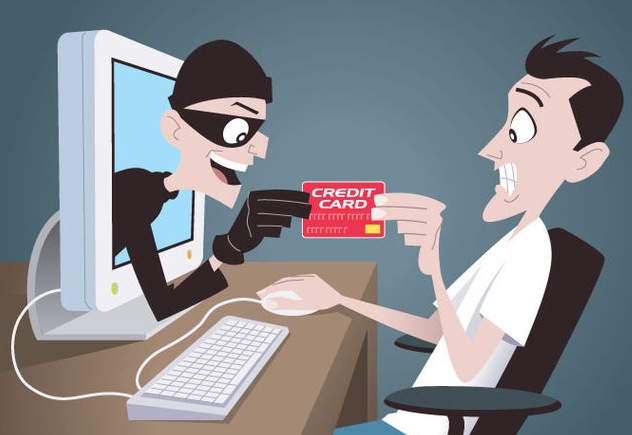
Almost anyone can be a target, but certain situations make you more vulnerable:
And when it happens, the consequences touch more than just your bank account:
Keep an eye out for red flags like:
Here are key habits to make your identity protection a daily part of your routine:

Schedule a check-in this week to review one of your financial statements or pull your latest credit report. That small step keeps you ahead of fraud.
Identity theft is when someone uses your personal information without permission to open accounts, make purchases, or commit fraud.
Look for unauthorized bank withdrawals, unexpected bills, charges on your cards you didn’t make, or denial of credit despite good history.
Use strong, unique passwords; enable two‑factor authentication; avoid public Wi‑Fi; and be cautious with links and attachments.
Contact the companies where fraud occurred, freeze or monitor affected accounts, place a fraud alert with credit bureaus, and report to the FTC.
Yes. You’re entitled to one free credit report per year from each of the three major credit bureaus via annualcreditreport.com.