

Alright, so you’ve probably heard of checking accounts before, but what’s the deal with them? Simply put, a checking account is your go-to tool for handling all things money-related on a day-to-day basis. From getting paid to paying bills, and everything in between, it’s all done through your checking account.

Here’s a quick rundown of what a checking account lets you do:
Track your spending – Watch where your money goes and stay in control.

Your funds are usually insured up to $250,000 by the FDIC. So, if the bank ever goes under, your money’s protected.
Online and mobile banking make it simple to transfer money, pay bills, and deposit checks from your phone.
Your bank’s app will help you see where your money’s going. Budgeting is a breeze when you can check your spending right at your fingertips.

This is the most common one. You can write checks, use your debit card, and access your account online or on mobile.
If you’re looking to make your money work for you, this type of account earns interest. It might require a minimum balance, but it’s perfect if you don’t need to touch that money often.
Want perks like waived fees or higher interest rates? Premium checking accounts offer those, along with things like discounts on loans and even concierge services for higher account balances.
Joint Accounts: For couples or anyone who wants to share an account with someone else.

Picking the right account really depends on what you need:
Need some sweet perks? Consider going premium.

Let’s be real, nobody likes fees. But here are a few common ones to keep an eye on:
The good news is, some banks waive these fees if you meet certain conditions, like setting up direct deposit or maintaining a minimum balance.

Opening a checking account is pretty straightforward. Here’s how to do it:
Pick a PIN: Choose a secure PIN for your debit card.
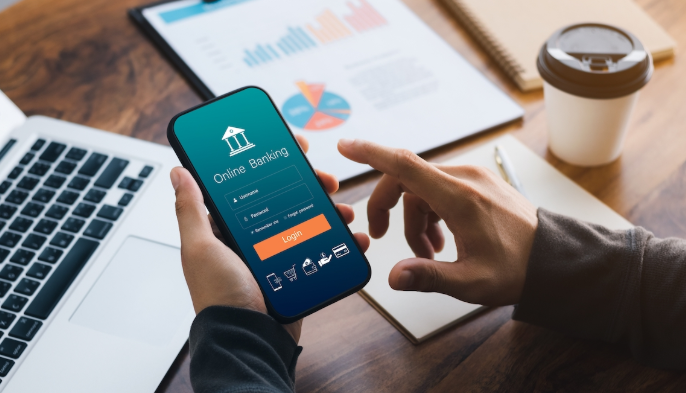
Mobile banking makes checking accounts more powerful. Here’s what you can do:
Use tools like Zelle, Venmo, and budgeting apps to manage your money

Sure, checks might seem outdated, but they still have their place. Here’s a quick guide to writing one:
Sign the check
Your debit card is linked directly to your checking account, making it easy to:
| Date | Purchase | Balance |
| Oct 5 | Starting | $10 |
| Oct 6 | Gas ($25) | -$15 |
| Oct 6 | Groceries ($50) | -$65 |
| Oct 7 | Overdraft fee | -$30 |
| Oct 7 | Overdraft fee | -$30 |
| Total | -$125 |
How to avoid it:
Check your balance regularly before spending

To avoid any headaches (and financial loss), make sure your account is secure:

A checking account is the ultimate tool for managing your money. Whether you’re budgeting, paying bills, or saving for something big, it’s a must-have. And with features like mobile banking and spending trackers, you’ll be in control of your financial life in no time.

So, what’s next? Here’s what you can do: