

Home » Learning Center » Lowering My Debt Pathway » Everyday Money: Your Step‑By‑Step Roadmap to Pay Off Debt

Everyday Money: Your Step‑By‑Step Roadmap to Pay Off Debt

It can feel frustrating when you’re doing everything right, working a steady job, spending carefully, but debt still hangs over you. If you’re carrying multiple balances and wondering how to get ahead, you’re not alone.


There are strategies available that can help guide you through the process. Here’s how you can get started.

Step 1: Understand What You Owe

Begin by writing down all of your debts. Include the balance, interest rate, and minimum monthly payment for each one. This might include credit cards, student loans, auto loans, or personal loans.

Example:

  • Credit card: $2,425 at 28% interest, $90 minimum payment
  • Student loan: $22,300 at 8% interest, $250 monthly payment

Seeing everything clearly is the first step toward control and confidence.

Step 2: Choose a Repayment Strategy

A common method that can lower interest costs to pay down debt is the debt avalanche method.

With this strategy:

  • You make the minimum payment on every debt.
  • Any extra funds go toward the debt with the highest interest rate.
  • Once that is paid off, you redirect those payments toward the next highest-interest debt.

This approach can reduce total interest and may shorten your timeline.

Step 3: Build a Realistic Plan

Once you know what you owe and which strategy you’ll use, you can build a payment plan that works for your budget.

Start by:

Calculating your total minimum monthly payments
Deciding how much extra you can commit each month
Targeting the highest-interest debt first
Tracking your timeline and potential interest savings

Even small extra payments, such as $100 a month, can lead to significant progress.

This tool will help you visualize your repayment timeline and understand how different payment amounts impact your debt-free goal.
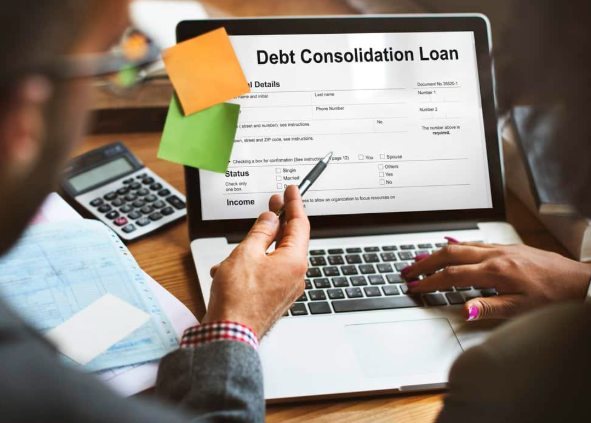
Step 4: Consider Debt Consolidation

If you’re managing several high-interest debts, debt consolidation might be an option. This process involves rolling multiple debts into a single loan, ideally with a lower interest rate.

Things to consider:

  • Your credit score may affect eligibility and rates
  • Review the total repayment cost, including fees and terms
  • Understand that consolidation requires financial discipline

Before committing to consolidation, talk with a financial advisor or your bank to evaluate whether it is the right solution.

Step 5: Stay Consistent and Motivated

Paying off debt takes time. Staying motivated can help you follow through.

Try the following:

  • Celebrate milestones, such as paying off one credit card
  • Redirect freed-up payments toward your next target debt
  • Use financial tools and apps to track your progress
  • Build savings as you reduce your debt

Momentum builds over time, and small wins turn into major accomplishments.

Key Takeaways

  • Listing all debts gives you control over your situation
  • The debt avalanche method is efficient and cost-effective
  • Consistent payments, even small ones, create long-term impact
  • Debt consolidation can help, but only under the right conditions
  • Combining debt payoff with savings strengthens your financial health

Frequently Asked Questions

It is a strategy where you pay off the highest-interest debt first while making minimum payments on the rest. This saves money on interest and reduces total repayment time.

Increase your monthly payments, follow a structured repayment plan, and explore lower-interest options like consolidation.

It can be, especially if you qualify for a better rate. However, it depends on your financial habits and ability to stay on track with payments.

Start small. Even $25 more per month makes a difference. Review your budget to find savings in areas like subscriptions or dining out.

Set goals, celebrate progress, use apps to visualize your payoff timeline, and build savings alongside your payments to see financial growth from both sides.

Exit

Let us know what you're looking for!

You are leaving bankfivenine.com

Bank Five Nine is not responsible for the content. Do you wish to continue?