Home » Learning Center » Owning a Home » Reverse Mortgages: Understanding the Pros, Cons, and Costs

Reverse Mortgages: Understanding the Pros, Cons, and Costs

Reverse mortgages may provide financial relief for older homeowners, but they come with important considerations. If you’re 62 or older and own your home (or have a low mortgage balance), this option might help turn your home’s equity into accessible cash. But before making a decision, it’s important to understand how reverse mortgages work, what they cost, and what alternatives might be better for you or your family.

What Is a Reverse Mortgage?

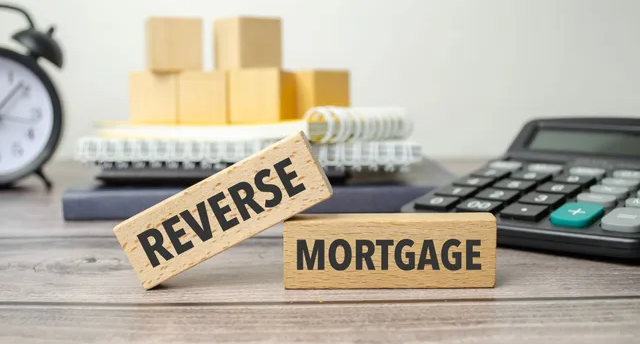
A reverse mortgage allows homeowners to convert part of their home’s equity into cash, without having to sell their home or make monthly mortgage payments. Instead, the loan is repaid when the homeowner sells the home, moves out permanently, or passes away.
Three Types of Reverse Mortgages

1. Single-Purpose Reverse Mortgage

  • Offered by nonprofits or government agencies
  • Funds can only be used for a specific purpose (e.g., home repair or taxes)
  • Ideal for low-income borrowers

2. Proprietary Reverse Mortgage

  • Offered by private lenders
  • No restrictions on how you use the funds
  • Good for homes with high appraised values

3. Home Equity Conversion Mortgage (HECM)

  • Federally insured by the FHA
  • Most common type of reverse mortgage
  • Requires counseling and typically comes with more fees

What Does a Reverse Mortgage Cost?

Just like any loan, reverse mortgages come with fees and costs:

  • Origination Fee – Charged by the lender to start the loan
  • Appraisal Fee – Assesses your home’s value; may require a second inspection
  • Upfront Mortgage Insurance Premium (MIP) – Required for HECM loans
  • Closing Costs – Includes title insurance, taxes, and more
  • Servicing Fee & Set-Aside – Covers loan administration
  • Interest – Accrues over time, increasing the total loan balance

Benefits of a Reverse Mortgage

  • Provides tax-free funds to cover major expenses
  • Can be used for home repairs, medical bills, or daily living
  • Allows you to stay in your home while accessing equity
  • May help reduce estate taxes if planned correctly

Risks and Pitfalls to Consider

  • Loan balance increases over time (reducing inheritance)
  • High fees and interest can add up
  • Home may be sold if borrower moves or passes away
  • Government benefits (like Medicaid) could be impacted
  • Scams targeting seniors are common; work only with trusted lenders

Is It Right for You?

Ask yourself:

  • Do I plan to stay in my home long-term?
  • Do I have other resources to cover my needs?
  • Does my spouse qualify as a co-borrower?
  • Will this affect my government benefits?
  • What are the tax and estate planning implications?

How to Avoid Scams

  • Work only with HUD-approved or NRMLA-member lenders
  • Ask for all offers in writing
  • Review all documents before signing
  • Report suspicious behavior or predatory offers
  • Never rush; take time to consider all options

Key Takeaways

  • Reverse mortgages may provide financial relief, but they’re not for everyone
  • Understand the costs, your obligations, and long-term impact
  • Work with a lender you trust and involve your family or financial advisor

Next Steps from Bank Five Nine

  • Review your estate and retirement plan
  • Use calculators to estimate costs and savings
  • Contact a qualified reverse mortgage counselor
  • Schedule a consultation with your Bank Five Nine financial team

Frequently Asked Questions

A loan that lets homeowners age 62+ convert home equity into cash, usually repaid when the home is sold or the borrower passes away.

Homeowners age 62 or older with substantial home equity and who live in the home as a primary residence.

Costs include origination fees, appraisal fees, mortgage insurance, servicing fees, and interest.

Higher costs over time, reduced inheritance, potential impacts on government benefits, and risk of foreclosure if loan terms aren’t met.

When used responsibly and through qualified lenders, reverse mortgages can be safe. Always avoid predatory lending and consult a counselor.

Exit

Let us know what you're looking for!

You are leaving bankfivenine.com

Bank Five Nine is not responsible for the content. Do you wish to continue?