

No one wants to think about car breakdowns or job loss. But as much as we’d like to avoid thinking about them, emergencies do happen. Building an emergency savings account that is dedicated to handling the unexpected is important.

When things are going well, emergency savings can seem unimportant. But in addition to your regularly occurring expenses, like rent/mortgage and utility bills, you’ll often deal with unexpected costs.
Take a look at three reasons why an emergency savings account is important.

Setting money aside for emergencies is different than saving up for purchases. Also, some expenses feel urgent but aren’t really emergencies. Can you tell the difference?
Select a response.
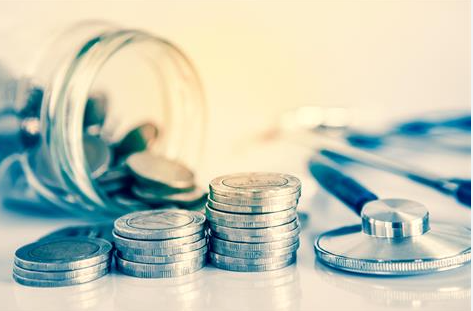
It can be hard to save when you have bills you need to pay, but it’s a common challenge that many face. Do you know how much money many common emergencies cost?
Select each item and drag it to the correct location.
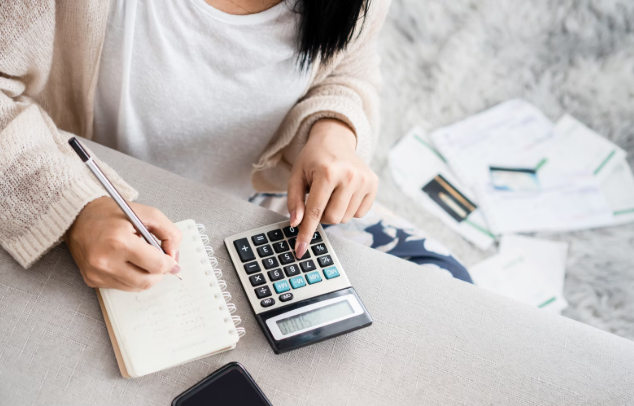
The standard advice is that you should save 3-6 months of living expenses for emergencies.
Although this may sound like an intimidating amount of money, it’s important to remember that saving is a process. You’ll likely have to start small and keep saving to reach your goal.
Select the arrows to learn more.

We all need a little help sometimes. Bank Five Nine has the products and expertise to help you through budgeting, savings, credit, and more.
Member FDIC

There are a few things you should consider when deciding where to keep your savings.
Select the arrows to learn more.
You don’t need to set aside a huge sum of money all at once. Saving is easiest when you plan for it, then take small steps towards your goal.
Select a number to learn more.
To make a plan, you need a goal. To set a realistic goal, you have to know how much you make.
Get a sense of where you’re currently spending money. This may include groceries, utilities, transportation, and other things you spend money on.
What can’t you live without? Where might you be able to cut back? Some examples include snacks, entertainment, and travel.
Decide on an amount you’ll set aside each time you get paid. Remember, every little bit counts.
Spending less makes saving easier. Cut back a little where you can. Put the money you didn’t spend towards your savings goal.

If you can’t save a lot, it can be hard to find the motivation to save at all. But saving anything you can (even small amounts) is helpful.
Track your income, track your expenses, then set a realistic goal. Aim to have 3-6 months of expenses in your emergency savings fund, but start smaller if you need to.
It may take months or years to build an emergency savings fund, so don’t worry if progress seems slow. Keep at it!

Figure out how much you make. Mobile apps can be a big help, as can web portals from your financial institution. Using a spreadsheet works well and there are also free templates available online.
Figure out your current expenses and estimate how much you’ll need in your emergency savings account.
You’re more likely to be successful if you have the support of those around you. Set aside time to explain your savings plan to those closest to you.